How hard water quietly damages your pipes and fixtures
Oct 14, 2026 · By Daniel Reyes · 5 min read
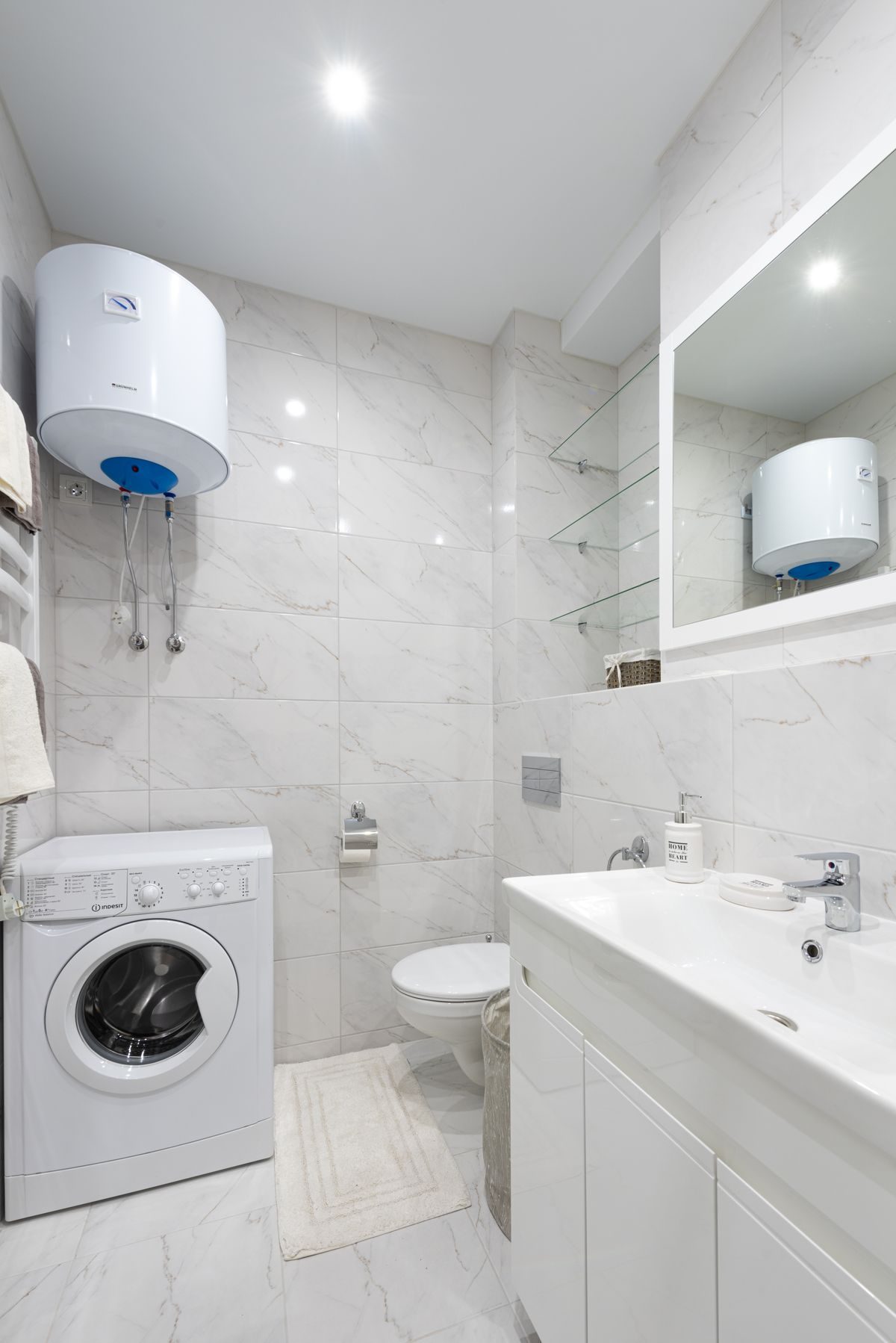
New York water is only moderately hard — but "moderate" still coats the inside of your plumbing year after year. Calcium and magnesium precipitate wherever water heats, slows or evaporates: elements, valves, aerators and pipe walls. The damage is slow, silent and completely preventable.
The early warning signs
White crust on faucets and showerheads is the visible part. Inside, the clues are subtler: water pressure that fades over months, a heater that rumbles like a kettle, hot water that runs out faster than it used to. If two or more show up together, scale is the prime suspect.
What scale does to each part of the system
In pipes, scale narrows the bore and raises pressure at joints — the classic setup for pinhole leaks in older copper. In tank heaters, a sediment blanket forces the burner to overwork, adding up to a third to heating costs while the tank overheats from below. Fixtures suffer first and cheapest: cartridges seize, aerators clog and finishes etch.
Three things worth doing this year
- Flush the water heater and check the anode rod.
- Soak aerators and showerheads in vinegar quarterly.
- Test hardness yearly — soften only if numbers justify it.
When to call a plumber
Rumbling heaters, pressure loss across the whole house, or green-blue staining (copper corrosion under scale) all deserve a professional look. A flush and inspection costs far less than a burst pipe or a dead heater — and our water heater service covers exactly that.

Daniel Reyes
Service plumber, FlowRight NYC — 9 years on residential systems.